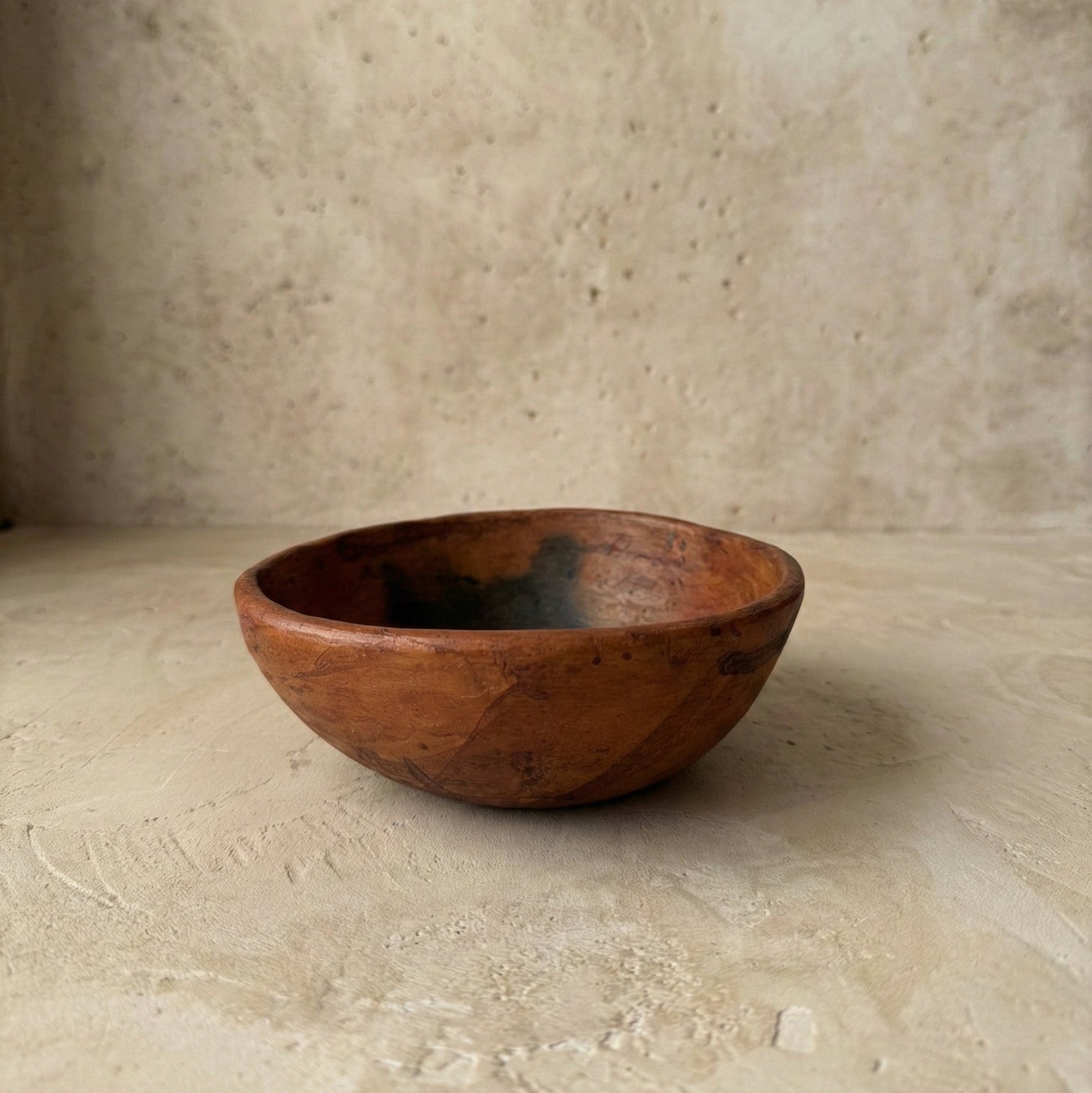
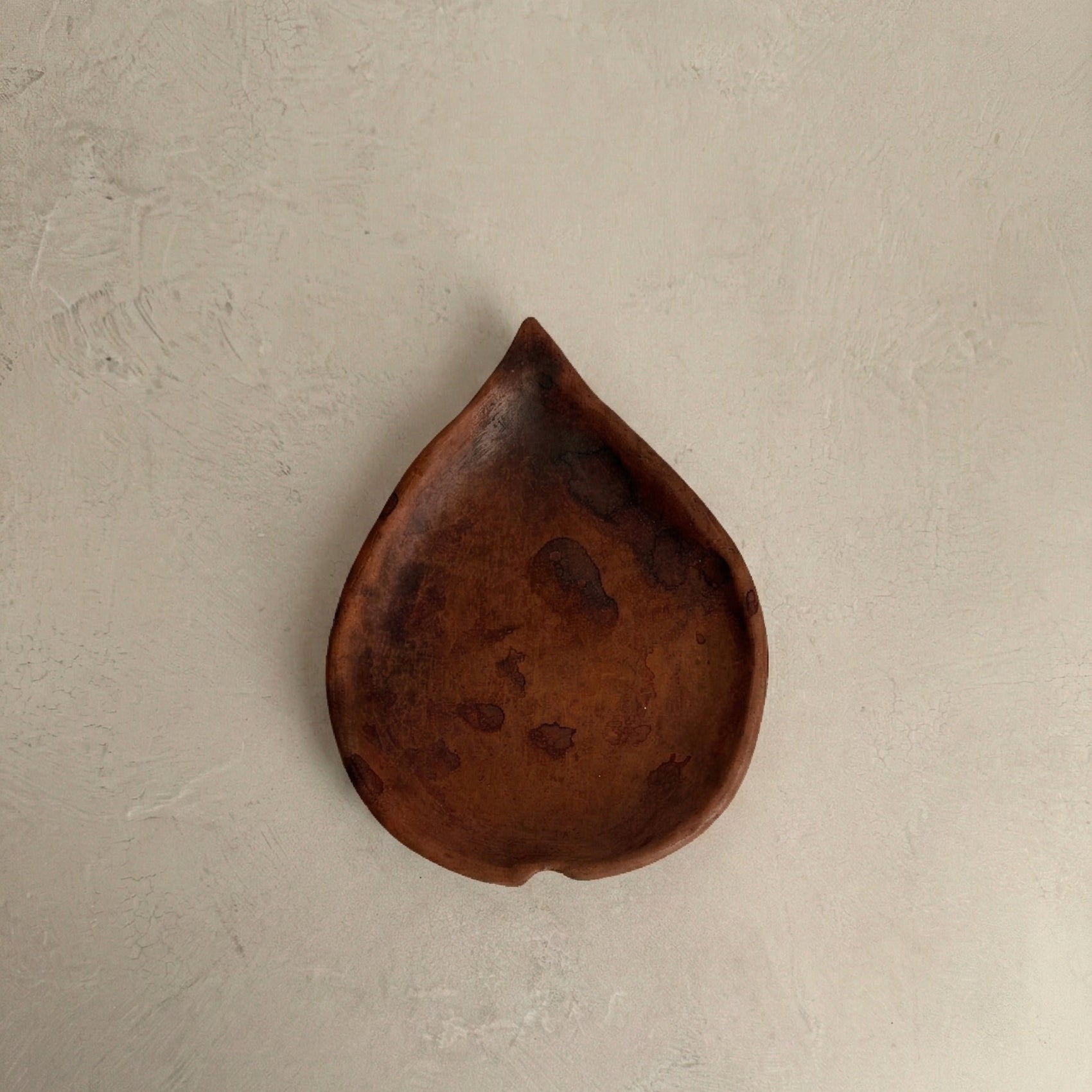
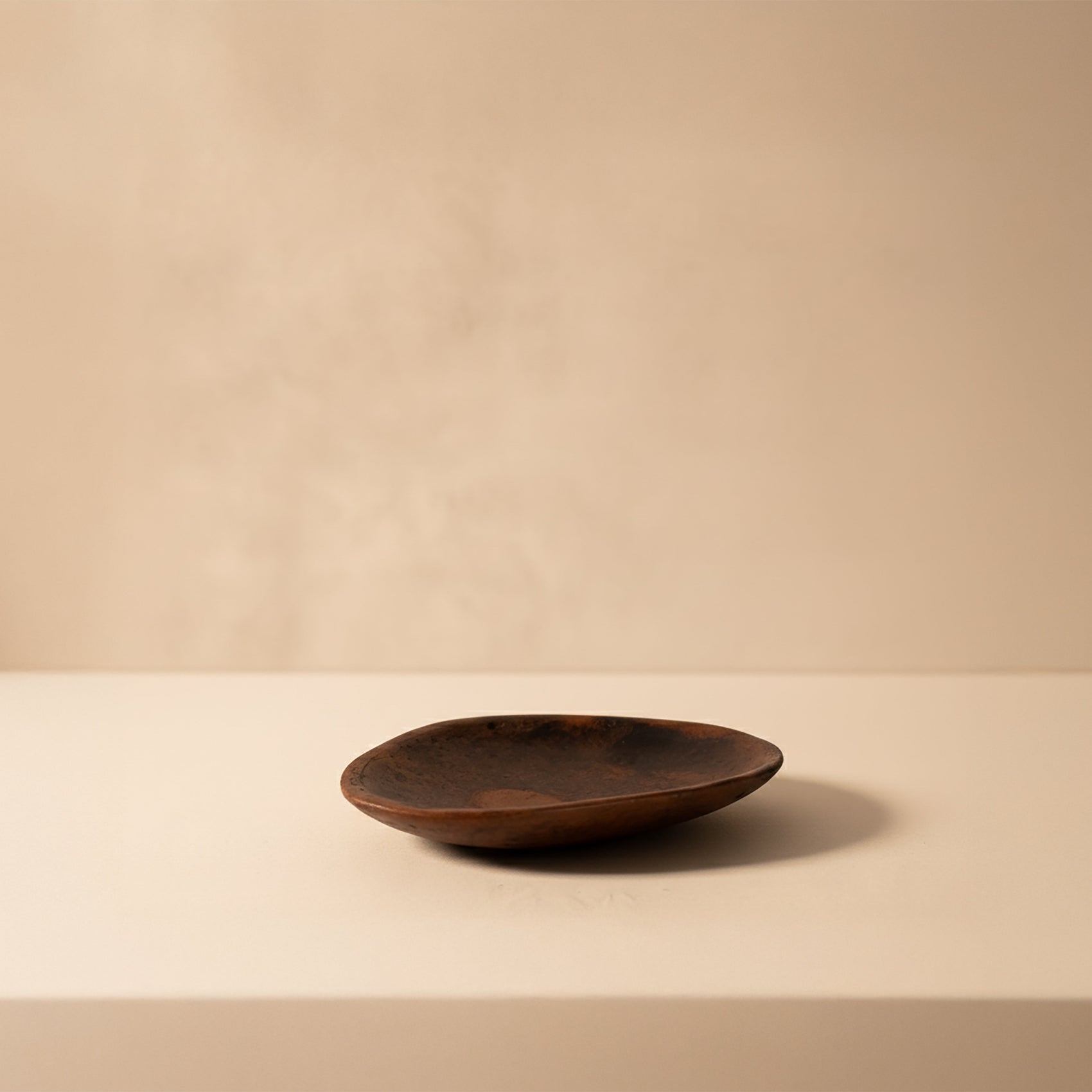
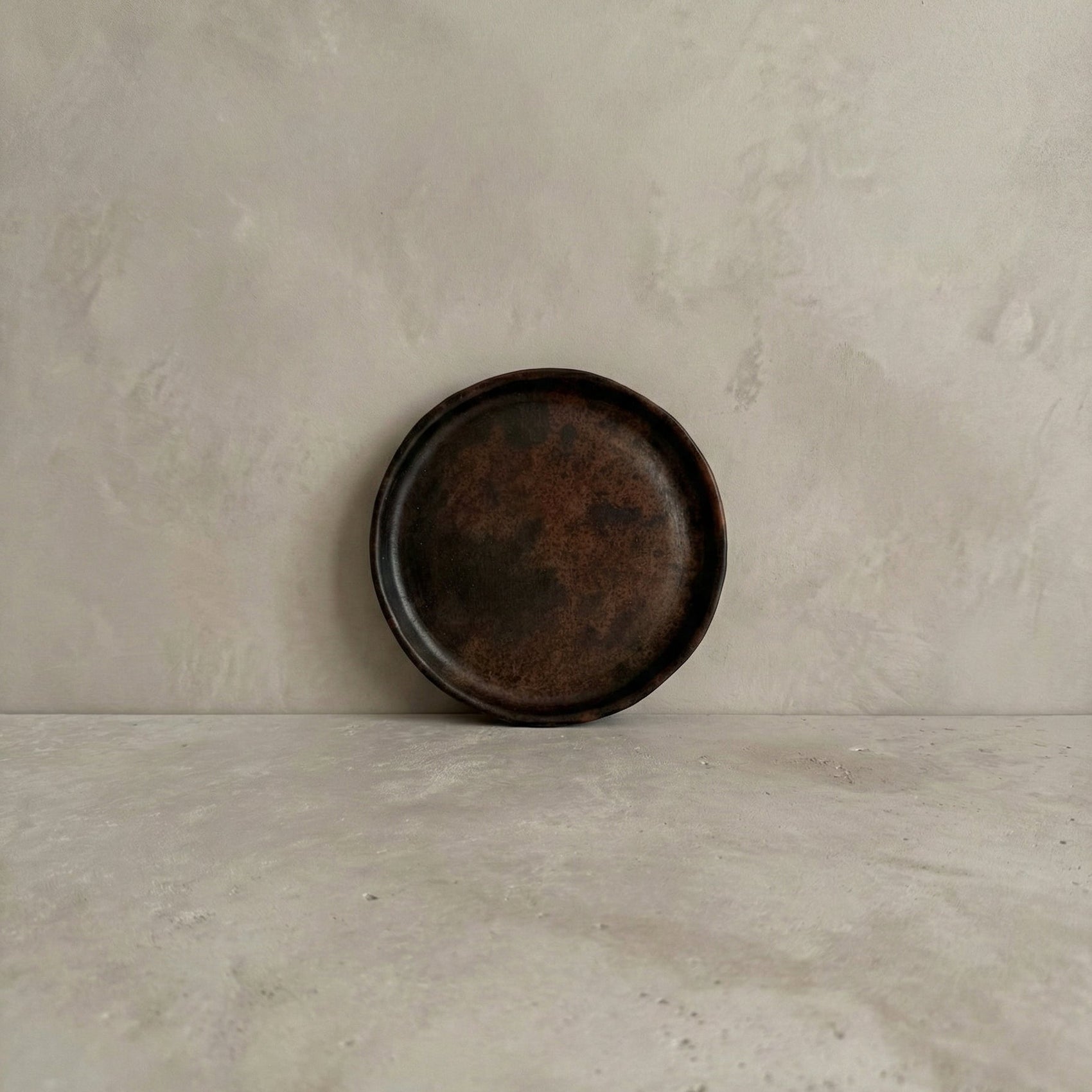
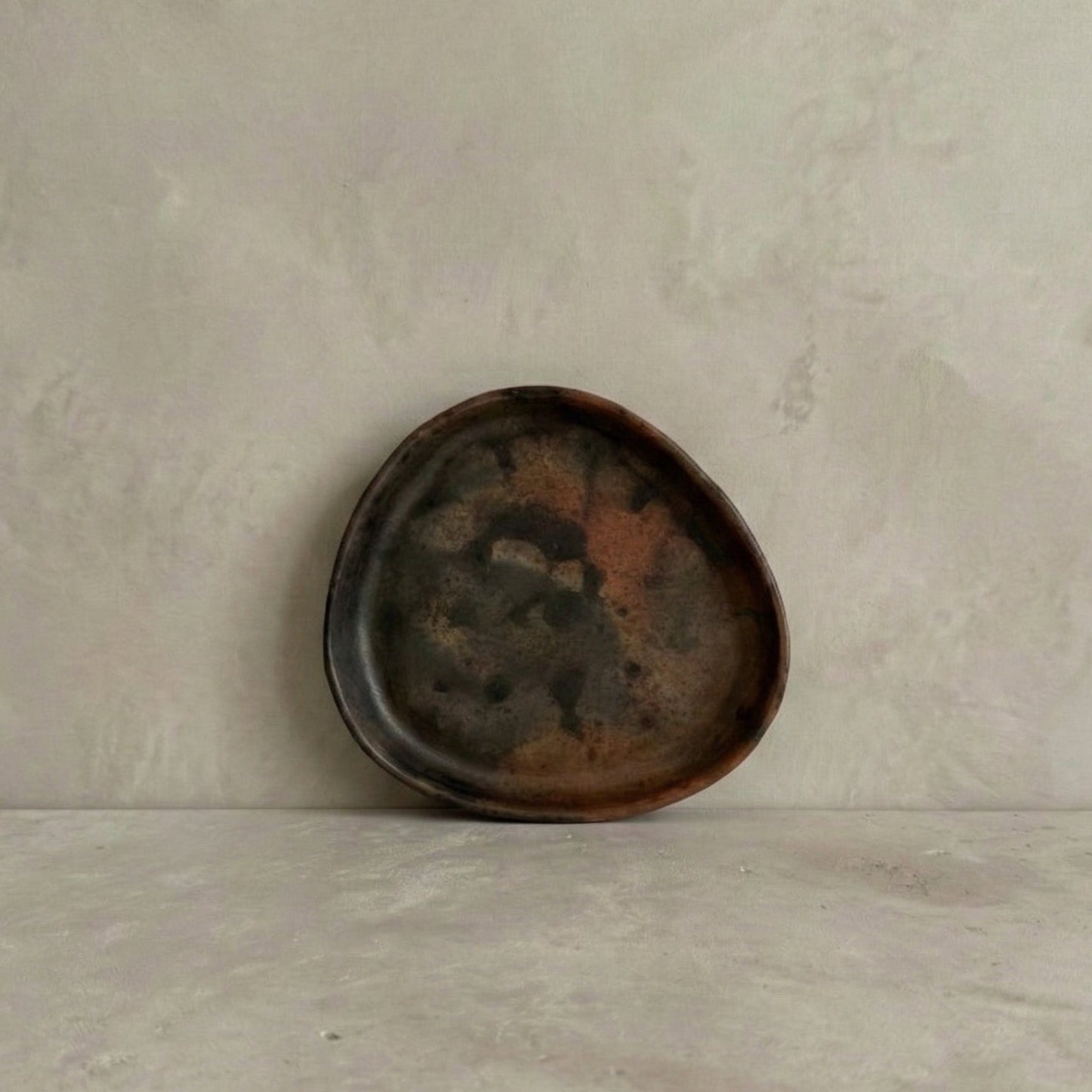
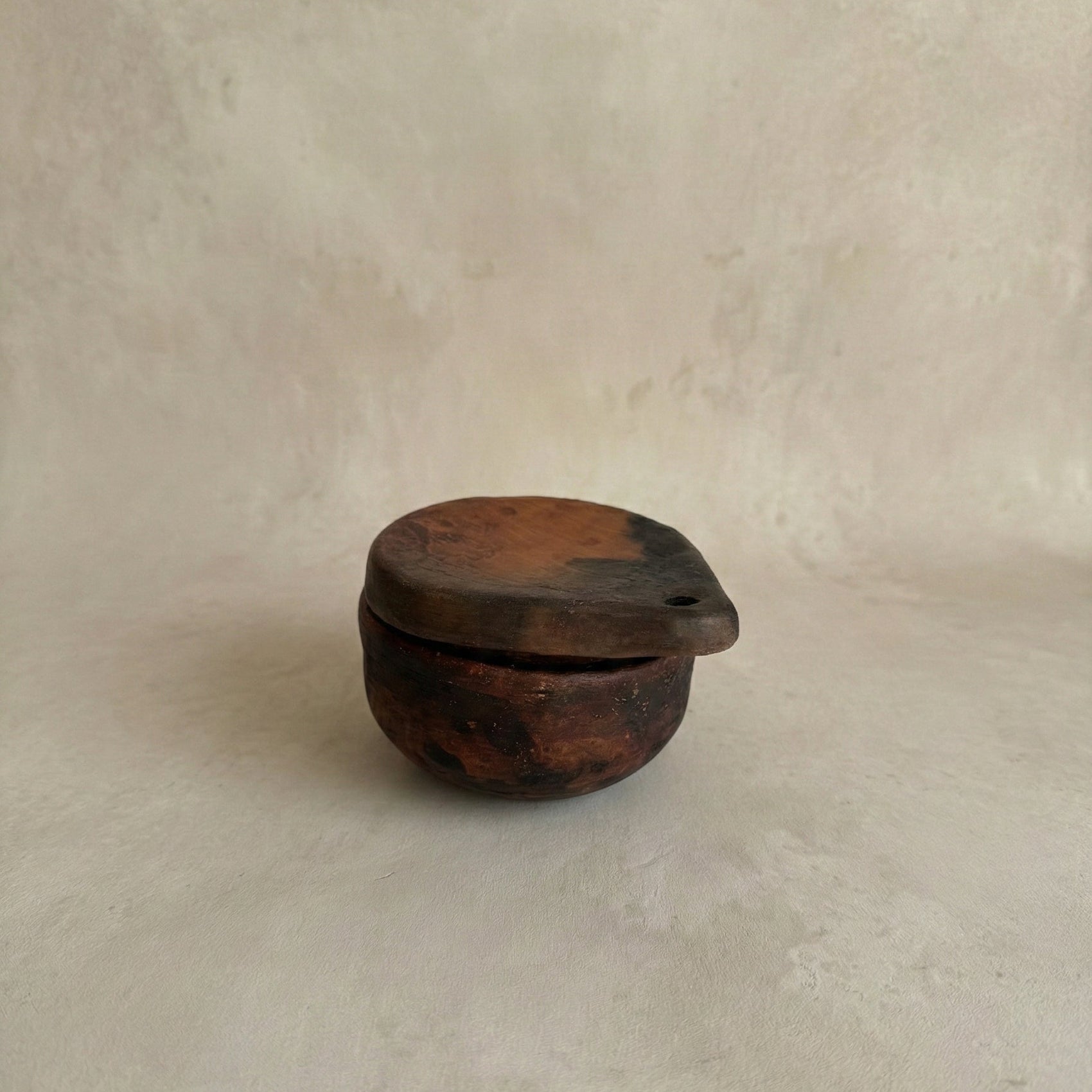
Made by women in two villages you've probably never heard of — Tyrchang and Lyrnai, population under 2,000, in the Jaintia Hills of northeast India. The clay comes from the floor of the Sung Valley. There is no potter's wheel. Each piece is hand-molded, fired in an open kiln for nine to ten hours, then pulled out white-hot and plunged into Sohliya bark water. That's what turns it black.
This tradition received India's Geographical Indication tag (No. 1095) in 2024, after a decade-long effort that began in 2013. The tag means this craft — this clay, from this valley, made by these hands — is formally recognized as irreplaceable.
WILLAGE carries this collection because this is exactly what we exist to do.